What Actually Affects Prostate Health, Beyond Any Single Supplement
Diet composition, physical activity, body weight and regular checkups all measurably affect prostate health — often more than any single supplement can.
Understanding the fuller picture helps set realistic expectations for what nutritional support can and cannot do on its own.
Age is the single biggest factor
Prostate enlargement (BPH) becomes increasingly common with age, affecting a majority of men by their 60s and beyond to some degree. This is a normal biological process, not something any supplement prevents outright, though lifestyle factors can influence symptom severity.
Diet and body weight
Diets high in red meat and saturated fat, along with excess body weight, are associated with worse prostate and urinary symptom outcomes in research, while diets rich in vegetables and healthy fats are associated with better outcomes.
Physical activity
Regular exercise is associated with reduced urinary symptom severity in men with BPH in several studies, likely through multiple mechanisms including weight management and improved circulation.
Fluid timing, not just amount
For nighttime urination specifically, reducing fluid intake in the hours before bed, rather than overall fluid restriction, is a commonly recommended practical adjustment.
Regular checkups matter more with age
Regular prostate checkups become increasingly important with age, since they can catch both BPH progression and more serious conditions early. No supplement replaces this screening.
Where nutritional support realistically fits
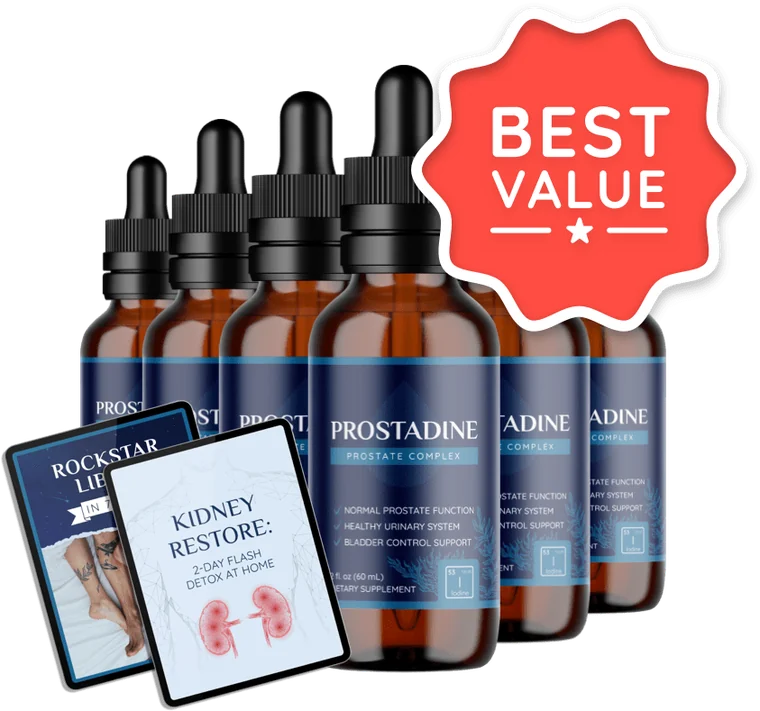
Applying this to Prostadine
Formulas like Prostadine are designed to supply nutrients relevant to prostate and urinary wellness, genuinely useful additions layered on top of the habits above, not a shortcut around them. If new or worsening urinary symptoms are the actual concern, that's a conversation for a doctor, not just a supplement.